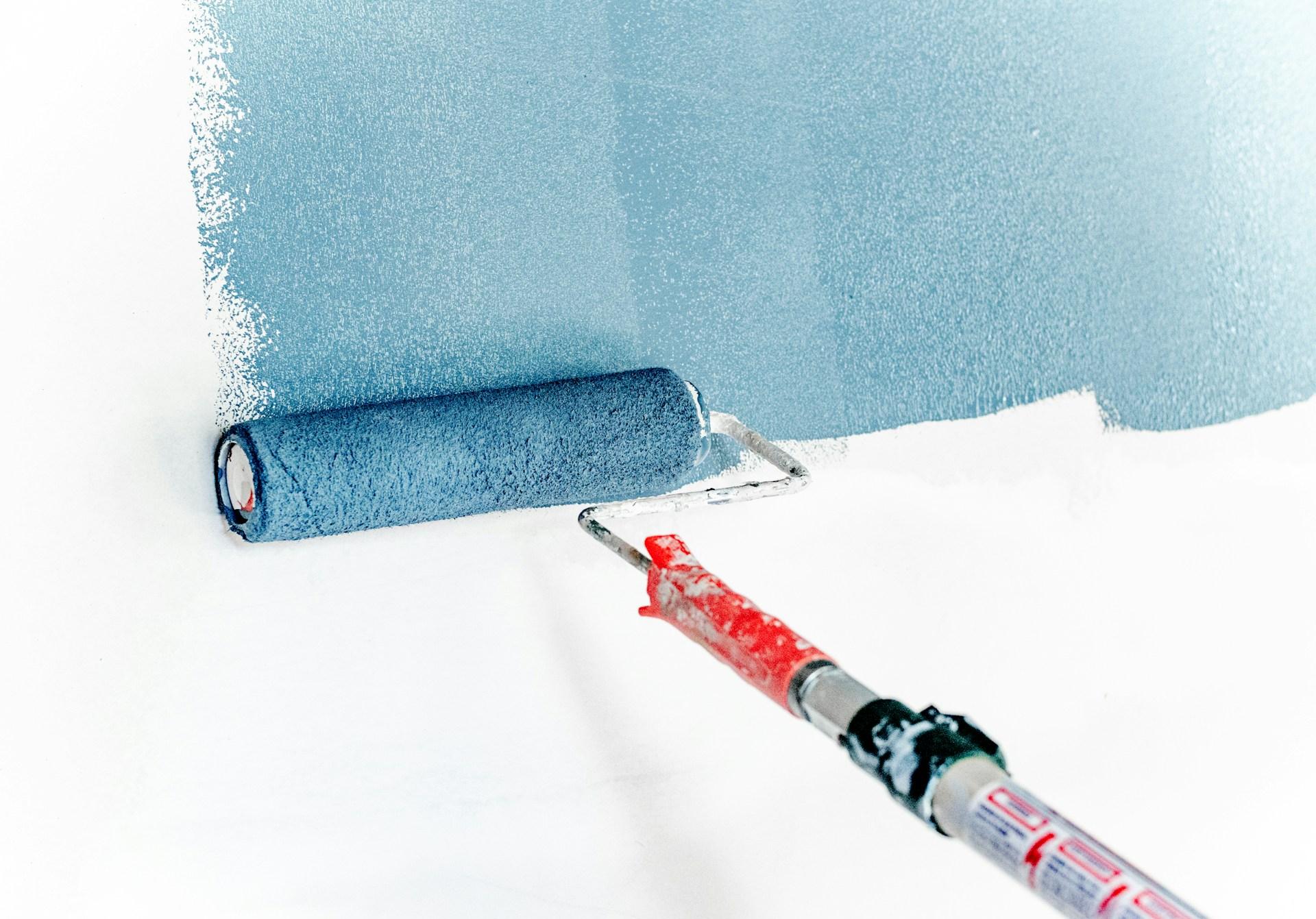
Your next community repaint is coming, and the choice is in front of you: alkyd paints or acrylic paints for 200-plus units of stucco that take sun, rain, and salty air all year. Pick wrong, and you see faded color before the two-year mark, peeling after a rough hurricane season, or mildew stains that have the board questioning every dollar.
In South Florida, the alkyd paints vs acrylic paints decision is about more than looks. It is about how long the job lasts, how fast crews can work between daily storms, and how many callbacks you field afterward.
There is no single winner that fits every surface. Acrylic is the right answer for most South Florida exterior walls, but alkyd still earns its place on certain trim and metal. The trick is knowing which formula handles heat, moisture, and sun on each surface, so you spec the right product where it actually performs.
This guide breaks down how alkyd and acrylic behave on stucco, concrete, trim, and metal in this climate, when it makes sense to mix the two, and what to confirm before your contractor opens the first lid.
Most of the time, acrylic is the go-to for South Florida exterior walls, while alkyd holds a few specific jobs. Once you see how each formula handles heat, moisture, and sun, the choice gets clearer.
Acrylic paint is water-based and stays flexible after it cures, which matters on stucco and concrete that swell and shrink with Florida's temperature swings. A coating that cannot flex cracks; acrylic resists that and lets moisture vapor escape, so you see less blistering and peeling on porous masonry.
It also handles mildew better than alkyd, which is decisive in a region that gets over 60 inches of rain a year with humidity rarely below 60 percent. That breathability is central to what makes paint work in a tropical climate.
Alkyd gives a tougher, smoother finish that holds up on exterior trim, doors, and metal where impact resistance matters. Its resin cures to a tight film that shrugs off scuffs and fingerprints better than most acrylics on high-touch spots. On coastal metal gates, railings, and handrails, alkyd enamel bonds tight and helps fight early rust, which is why it remains a fair pick for enamel finishes on doors and metal.
Before picking a type, list every surface in the project, because each may need something different:
Start with surface and exposure. That sets up the chemistry decision, which comes down to what is inside each formula.
The real split between alkyd and acrylic is the resin that binds the pigment and forms the film. That resin controls how the paint dries, flexes, hardens, and weathers under Florida sun.
Acrylic paint suspends acrylic resin in water. "Latex" usually just means water-based, but a 100% acrylic formula uses better resin, which buys stronger UV resistance, better color retention, and better adhesion than vinyl-acrylic blends. Water-based paint cleans up with soap and water, dries fast, and carries fewer VOCs, so in condos and clubhouses you get less odor and quicker turnaround for residents.
Alkyd resin is a synthetic made from polyester and fatty acids, originally from plant oils. People still call it oil-based because of those early formulas, but modern alkyd uses mineral spirits or thinner as the solvent. That solvent gives alkyd its smooth, self-leveling finish, and it also means higher VOCs and longer dry times, which is a real issue in Florida heat and in occupied buildings.
"Enamel" and "oil-based" get used interchangeably, but they are not the same. Enamel just means a paint that dries hard and glossy, and you can get water-based acrylic enamel or solvent-based alkyd enamel.
The label describes the finish, not the chemistry. If a spec says "enamel on all doors and frames," confirm whether the contractor means alkyd or acrylic enamel, because that one detail changes VOCs, dry time, and maintenance.
Hybrid paint blends acrylic and alkyd resin in a water-based formula, aiming for the smoothness and hardness of alkyd with lower odor and easier cleanup. For South Florida, hybrids are a sensible middle ground on trim and doors in occupied buildings.
They are not yet standard for big exterior wall jobs, but they are worth a look when VOC rules or resident complaints make traditional alkyd a hassle.
Acrylic outperforms alkyd on nearly every outdoor metric here. The biggest gaps show up in drying, UV resistance, and mildew.
Acrylic dries to the touch in one to two hours and usually recoats in about four. Alkyd needs six to eight hours before recoat and up to 24 hours to fully cure, and summer humidity stretches that further.
Crews working between afternoon storms cannot wait on slow-curing alkyd, and if rain hits an uncured alkyd film, you get runs, staining, and poor adhesion. Acrylic dries fast enough to beat the daily storm window, which is part of planning around the best painting weather in South Florida.
Research on how long exterior finishes last in Florida shows UV chews through paint life fast near the coast. Acrylic resin resists UV better than alkyd, and within a couple of years, alkyd in direct sun chalks, fades, and loses gloss faster than a good acrylic. Alkyd also yellows over time, especially in shade, so white or light trim painted in alkyd turns yellow, and correcting it means a full strip and repaint.
Year-round humidity feeds mildew and algae. Acrylic breathes, letting vapor escape instead of trapping it, which means less blistering and less for mildew to feed on. Alkyd films breathe less, so trapped moisture behind alkyd on stucco brings blistering, peeling, and faster mildew underneath, worst on shaded walls near landscaping.
Prep matters for both, but acrylic is more forgiving when masonry is slightly damp or not perfectly clean. Alkyd wants a dry, spotless surface, and where dew and rain are daily events, that is a real risk and cost.
Alkyd gives a smoother finish, but acrylic is easier to maintain and recoat in Florida. The question is whether you value the first-glance look or the long-term upkeep.
Alkyd self-levels as it dries, leaving a smooth, almost glassy finish with fewer brush marks, which is why it is a favorite on doors, cabinets, and trim. Acrylic has closed much of that gap; top-tier acrylic enamels get close to alkyd smoothness, especially sprayed. On broad walls, the sheen difference is minor and rarely worth the tradeoffs alkyd brings, where a satin acrylic on stucco reads clean and cleans easily.
Alkyd cleanup means thinner or mineral spirits, and the smell lingers for days indoors, a recipe for complaints in condos and clubhouses. The Florida Department of Environmental Protection regulates surface coating operations and VOC emissions, and acrylic's water base keeps VOCs low with soap-and-water cleanup. For occupied interior and exterior work, that difference matters.
Acrylic makes touch-ups and recoats simple: clean, prep lightly, and roll fresh acrylic over the old layer. Alkyd usually needs sanding, sometimes priming, and longer waits between coats. Switching from alkyd to acrylic during a repaint takes good prep and a bonding primer, while acrylic over acrylic is about as easy as it gets. Over ten years, that simplicity saves property managers time, labor, and money.
In a 300-unit community, you cannot use one product everywhere. Walls, trim, doors, railings, and accents face different challenges and need the right paint for each.
For stucco and concrete walls, 100% acrylic in flat or satin is the standard, holding up to UV, humidity, mildew, and stucco movement far better than alkyd.
Consistency helps a community-wide job: using acrylic for walls keeps crew training simple, cuts the number of products, and makes recoat scheduling easier. The same reasoning shows up in choosing exterior paint for South Florida homes. Start with the main surface and build out from there.
Trim, doors, frames, and metal railings usually want a tougher finish, where acrylic enamel or a hybrid acrylic-alkyd handles most situations. If you insist on traditional alkyd for metal, keep it to well-ventilated spots with low mildew risk.
Wood trim in direct sun is safer in acrylic long-term, since alkyd can crack and yellow, so save alkyd for interior doors, cabinets, or spots where the climate is not a factor.
Even the best paint fails on a bad surface, so clean and prep everything, removing loose paint, mildew, dirt, and chalk:
Skipping prep is the fastest way to ruin a job here, whichever paint you choose.
For walls, fascia, and large exterior areas in South Florida, choose 100% acrylic. It outlasts alkyd against sun, humidity, mildew, and moving stucco, and it dries faster, so you wait on the weather less during the rainy months when labor costs climb. Acrylic is not a step down here; it is the right tool for most surfaces, and on big jobs it makes buying, applying, and future touch-ups easier.
Some projects do best with acrylic on the walls and something harder on trim, doors, and metal. For those details, reach for acrylic enamel or a hybrid acrylic-alkyd, and reserve traditional alkyd for interior jobs or special metal areas. Mixing systems adds complexity, so the spec must state exactly which paint goes where and what prep or primer each area needs. If vetting application is the hurdle, a referral to licensed local contractors keeps the work to standard.
The best way to spec a project is a real conversation about your property and what it faces. Schedule a free consultation with UCI Paints for color ideas, product recommendations, and contractor referrals built for South Florida. Even a short call can help you avoid years of repaint headaches and produce a spec that stands up to hurricane season. Call (954) 581-6060 or contact the Fort Lauderdale team to start.
Acrylic paint outlasts alkyd on exterior walls here. It resists UV, lets surfaces breathe, and shrugs off mildew, while alkyd tends to chalk, crack, or blister faster in the sun and moisture. For stucco and concrete that face constant heat and rain, acrylic is the more reliable choice.
Acrylic enamel or a hybrid acrylic-alkyd gives wood trim and doors a hard, smooth finish without the yellowing and cracking of old-school alkyd. These hold up better in direct sun and are easier to recoat for touch-ups, which keeps maintenance simpler over the life of the building.
Alkyd enamel has long been used on coastal metal because its tight film resists corrosion. These days, acrylic metal primers under acrylic topcoats protect against rust just as well, dry faster, and keep VOCs down, making them a solid pick for most community railings and gates.
Alkyd or hybrid acrylic-alkyd coatings give cabinets a smooth, glassy finish that self-levels and cures to a tough, washable surface. If fumes are a concern in occupied units, the hybrid formula gets you close to the same look with much less odor.
Acrylic usually costs less over the life of a project. It dries faster, cleans up easier, and future maintenance is simpler. Alkyd's slow dry time adds labor hours and weather delays, which can raise total costs by 10 to 15 percent during South Florida's rainy season.
Alkyd brings strong solvent odors and higher VOCs that linger for days in closed spaces. Acrylic has minimal odor and meets most indoor air standards. For clubhouses, lobbies, and hallways where people are present during the work, acrylic is the safer, more comfortable option.
