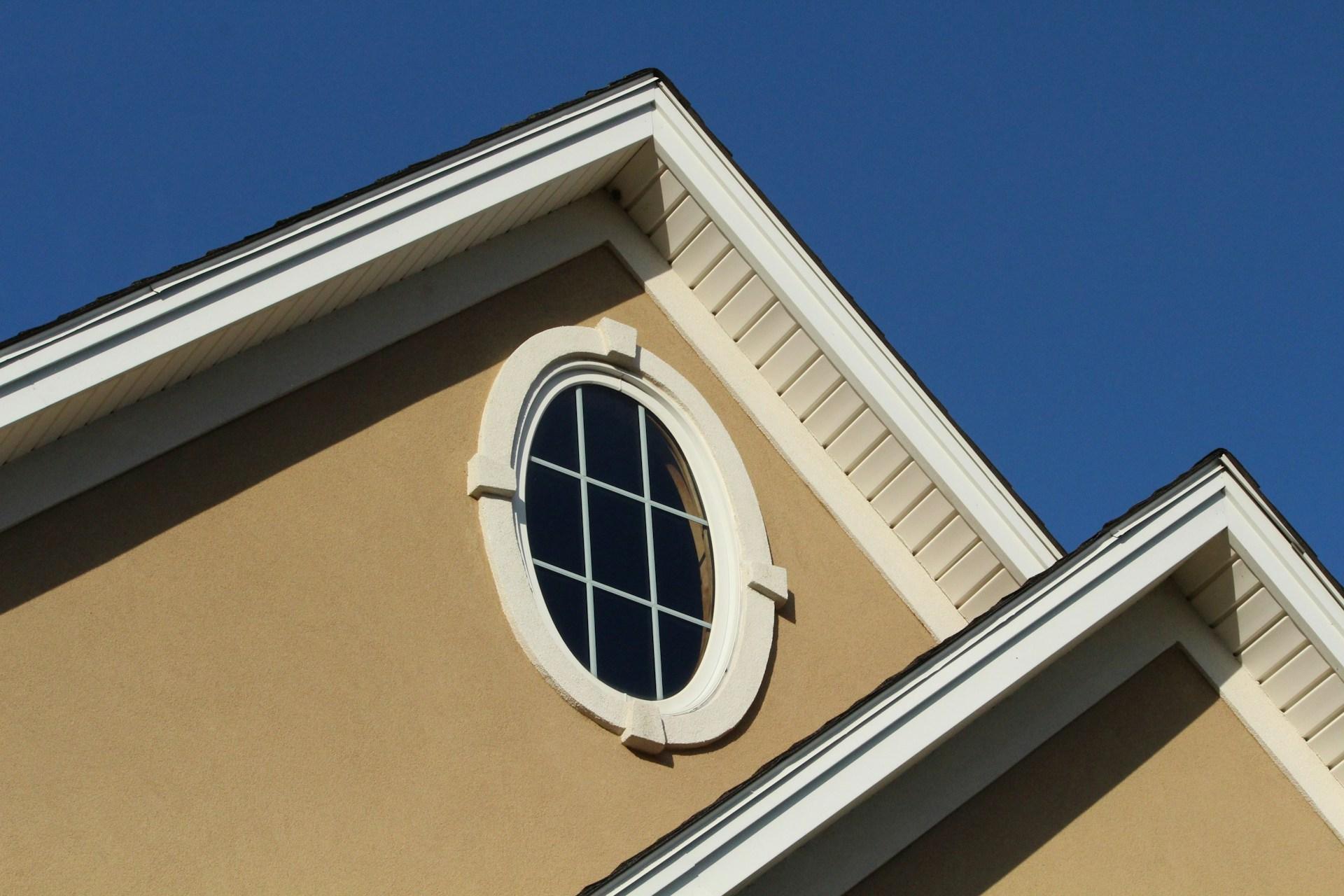
Picking exterior paint colors for Florida stucco homes is not the same as choosing for properties in Georgia, Texas, or the Carolinas. In Florida, your building faces about 2,800 hours of direct sunlight every year, with salt air and humidity that rarely dips below 70 percent.
That brutal combination does not just change how paint looks on day one. It decides whether the color you picked in the boardroom still looks decent three years down the road.
The gap between a climate-tested product and a generic off-the-shelf can show up fast on a large property: fading, chalking, and mildew stains that will not come clean. If you are managing 200-plus stucco units and need a palette that stays consistent on every wall, that difference is the whole ballgame.
This guide covers which color families actually resist UV fading on stucco, how finish sheen changes mildew growth, and what steps to take before your board signs off on a final palette. By the end, you will know how to narrow your choices based on South Florida's climate, not just whatever is trending on Pinterest.
South Florida's mix of harsh UV, year-round humidity, and salty air wipes out color choices that work fine up north or out west. Knowing which pigments break down faster here helps you avoid repainting sooner than you would like.
Colors with a low light reflectance value (LRV) soak up more solar energy, so their pigments break down quicker on stucco. Reds, deep blues, and bold greens lose their punch within 18 to 24 months, especially on south- and west-facing walls in places like Fort Lauderdale or Boca Raton.
Florida sun also shifts how your eyes read color. A beige that looks right under clouds can turn washed out or oddly yellow in direct tropical light. Always check both LRV and undertone when you weigh stucco color options.
Colors with an LRV above 50 tend to hold their look longer and reflect enough heat to keep the paint system from cooking.
Dark stucco exteriors in South Florida can hit 160°F or more on summer afternoons. That heat makes paint films expand and contract every day, which leads to tiny cracks. Once those cracks show up, moisture sneaks in and speeds up efflorescence, the white, chalky deposit that seeps through paint on masonry.
Elastomeric coatings can bridge those small cracks better than standard acrylics, but even those work best with lighter colors that keep surfaces cooler. Picking a color that limits heat gain is not just about energy bills; it is a coating durability decision.
Salt air attacks pigments and binders in ways inland humidity does not. Near the coast, your stucco faces extra chemical stress that speeds up chalking and discoloration. High humidity also makes it easy for mildew and algae to take hold, especially on north-facing walls that stay damp.
With Florida's rising heat and heavier storms putting more moisture and UV load on exteriors, your paint needs UV protection and moisture resistance built in from the start.
The safest exterior paint colors for South Florida stucco homes fall into three groups: classic whites, warm earth tones, and muted coastal accents. Each one carries a real-world advantage for this climate.
White stucco is everywhere in South Florida condos and HOA communities, and there is a reason. Whites with an LRV over 80 reflect a great deal of sunlight, keeping wall temperatures down and easing stress on the paint.
But not all whites are equal under the Florida sun. Bright, blue-toned whites can look harsh and cold.
Warmer whites with a hint of cream or ivory photograph better, age more gracefully, and hide dirt between cleanings. If your community wants a crisp, modern look with the least risk of fading, a warm white body with a slightly deeper neutral trim is a safe bet.
Greige, a mix of gray and beige, has become a favorite for Florida communities updating their look. Warm earth tones like sandstone, khaki, and muted terracotta add interest and still sit in the high-LRV safe zone.
These shades pair well with red, brown, or blended barrel tile roofs, and they hide the dust and pollen that settle overnight in humid air. For big properties, greige and earth tones create uniformity without making every building look identical.
Blue or yellow stucco can look great in South Florida, if you pick muted, desaturated versions with UV-stable pigments. Go with a bright cobalt or canary yellow, and you will likely see fading within a year on a west-facing wall.
Muted coastal blues with gray undertones hold up better because their pigments are more stable under strong sun. Use these as accents on doors, shutters, and trim, not the whole building. That way you get a pop of color without risking fast fade.
Choosing the right paint formulated for tropical climate conditions makes the difference. Once you have narrowed the color family, make sure it works with your building's fixed exterior features.
Your tile roof, concrete trim, and stone accents are not getting painted. Every color choice has to work with those fixed features.
Most South Florida stucco homes have barrel or flat tile roofs in red, brown, terracotta, or blended earth tones. Your main color needs to complement the roof, not fight it. A cool gray under a warm terracotta roof just looks off. Warm neutrals, soft tans, and creamy whites usually play nicely with most tile colors.
Before you pick a body color, photograph your roof tile and any stone or concrete trim in midday sun. Compare those to paint samples on site, not under fluorescent lights.
Architectural style should steer your undertone choice. What works on a coastal contemporary building can look wrong on a Mediterranean revival across the street.
On a repaint for 100-plus stucco units, color consistency gets tricky. Batch-to-batch color differences from the manufacturer can show as obvious changes between buildings painted even a few weeks apart. Two buildings finished three weeks apart can read as two different colors if the formula was not locked.
Stick with a manufacturer who can lock in your custom formula for the whole project. Document exact color codes, sheen, and application thickness in your specs. That saves headaches during touch-ups years later and keeps things consistent during contractor bidding and application oversight.
Choosing a satin finish on stucco walls is not just about looks. It creates a smoother surface that sheds water faster and resists mildew better than flat finishes in Florida's humidity.
Flat sheens hide imperfections, but they also trap moisture and dirt in their rough texture. In a climate where mildew can show up weeks after a rain, that is a tough tradeoff. A satin finish on stucco gives enough sheen to resist mildew while still looking softer than semi-gloss.
Use satin on the main walls, and save semi-gloss or gloss for trim, doors, and fascia where you want more contrast and easier cleaning. That combination gives you durability and a bit of visual interest.
Standard acrylic latex paint can trap moisture inside stucco, which leads to blistering, peeling, and mildew growth from the inside out. Breathable masonry systems, like mineral-based coatings and specialized stucco sealers for Florida homes, let water vapor escape while still blocking rain.
As covered in discussions among Florida home inspectors, the choice between elastomeric coatings and breathable silicate systems depends on your wall's condition and history. Both can outperform standard paint on Florida stucco when applied right.
Pair the right primer, topcoat, and finish sheen, and you can stretch your repaint cycle from five years to seven or longer.
Elastomeric coatings bring crack-bridging and UV protection that standard acrylics cannot match. An elastomeric topcoat over a breathable masonry primer gives you a balance of flexibility, moisture control, and long-term coating performance.
Every extra year between repaints saves your community a serious amount in labor and materials. Smart product choices start that savings, but it is the prep work that locks it in.
Skip surface prep, and you might as well throw out the paint budget. Even the best exterior paint fails on stucco that has not been cleaned, repaired, and primed the right way.
Use a fan-tip nozzle and keep the pressure under 1,500 PSI on stucco. Crank it higher, and you risk blowing out the sand finish, leaving weak spots behind. Start at the top and work down, holding the nozzle at least a foot from the wall.
Give it 48 to 72 hours to dry after pressure washing before you prime. South Florida's humidity is no small factor; rushing this step just traps moisture under the coating.
Efflorescence shows up constantly on Florida stucco because moisture is always moving through the wall. Paint over it while it is still active, and those deposits push right through the new paint, sometimes within months.
Masonry primer bonds to the porous stucco and gives your topcoat a uniform base. It also seals in alkaline salts that can affect lighter colors. Skipping primer on bare or patched stucco is one of the most common reasons for early paint failure.
It is worth painting a couple of test patches on at least two different sides of the building. Let them cure for a full week. The color shifts as it dries and as sunlight hits from different angles through the day. Once you see the cured patches, you can make a color call with confidence.
A color that seems perfect on a small sample card can look completely different on 10,000 square feet of stucco in full South Florida sun.
Paint a 4x4-foot test area on a sunny, south- or west-facing wall. Check it at 10 a.m., noon, and 3 p.m.; you will see how the LRV reads as the sun moves. Compare at least two finalist colors side by side on the same wall.
Board members should review samples on the actual building. Paper printouts and digital renderings do not cut it. Florida sunlight and textured stucco do things to color that screens and printers cannot show.
Write down the exact manufacturer color code, formula number, sheen, and product name. Keep this in your community's maintenance records with the application date and contractor details. If you need touch-up paint in a few years, guessing the color from memory almost always leads to visible mismatches.
Good documentation also makes your next repaint easier. The property manager hands the spec sheet to contractors, and everyone works from the same page.
Working with a local manufacturer who understands South Florida light and stucco can save you a lot of grief. A quick color consultation covers undertone stability, LRV recommendations for your building, and the right product pairing for your climate and substrate.
That short conversation can save hours of board debate and help you avoid a costly exterior paint project that needs a do-over.
Getting expert input before you lock in your palette is one of the easiest ways to protect your investment and avoid ugly surprises at the end.
Warm whites, light beiges, and soft greige shades with an LRV over 50 tend to hold up best, since they reflect more sun and resist pigment breakdown. Salt air fades darker colors faster, so lighter palettes are usually the safer bet for coastal stucco.
Colors in the LRV 55 to 85 range, like sandstone, pale khaki, and warm off-whites, keep stucco surfaces cooler than darker shades. Lower surface heat puts less stress on the coating, which means you can go longer between repaints.
Warm greige tones with a hint of taupe or sand hide dirt and pollen better than cool grays. Pairing them with a satin finish instead of flat makes it harder for mildew to stick, and it is easier to wash during routine cleaning.
Start with your community's approved color list and see where you can use accents, usually doors, shutters, and fascia. Muted coastal blues, soft charcoals, and warm creams give you modern contrast without breaking most HOA rules. Always submit test patches for board review before you commit.
Warm whites with a touch of ivory, greige, and muted sage green lead the 2026 trend lists, and they are tough enough for Florida stucco. Trendy colors only matter if the pigments can handle UV, so avoid saturated or neon shades that lack UV-stable formulations.
Use a masonry primer over the whole surface before applying your topcoat. Flashing and patchiness usually come from the wall absorbing paint unevenly, not from the color itself. Always test a small area first to make sure the primer is doing its job.
Picking exterior paint colors for your Florida stucco property is about performance as much as looks. Everything here, from LRV guidance to finish sheen and prep, comes back to one thing: making sure your paint job still looks right years later.
To put these ideas into practice, it helps to talk with someone who actually formulates paint for these conditions. Set up a free consultation with UCI Paints for color suggestions, product details, and contractor referrals made for South Florida. A quick conversation can save your property years of repainting headaches and give your board real peace of mind. Call (954) 581-6060 or visit ucipaints.com to start.
