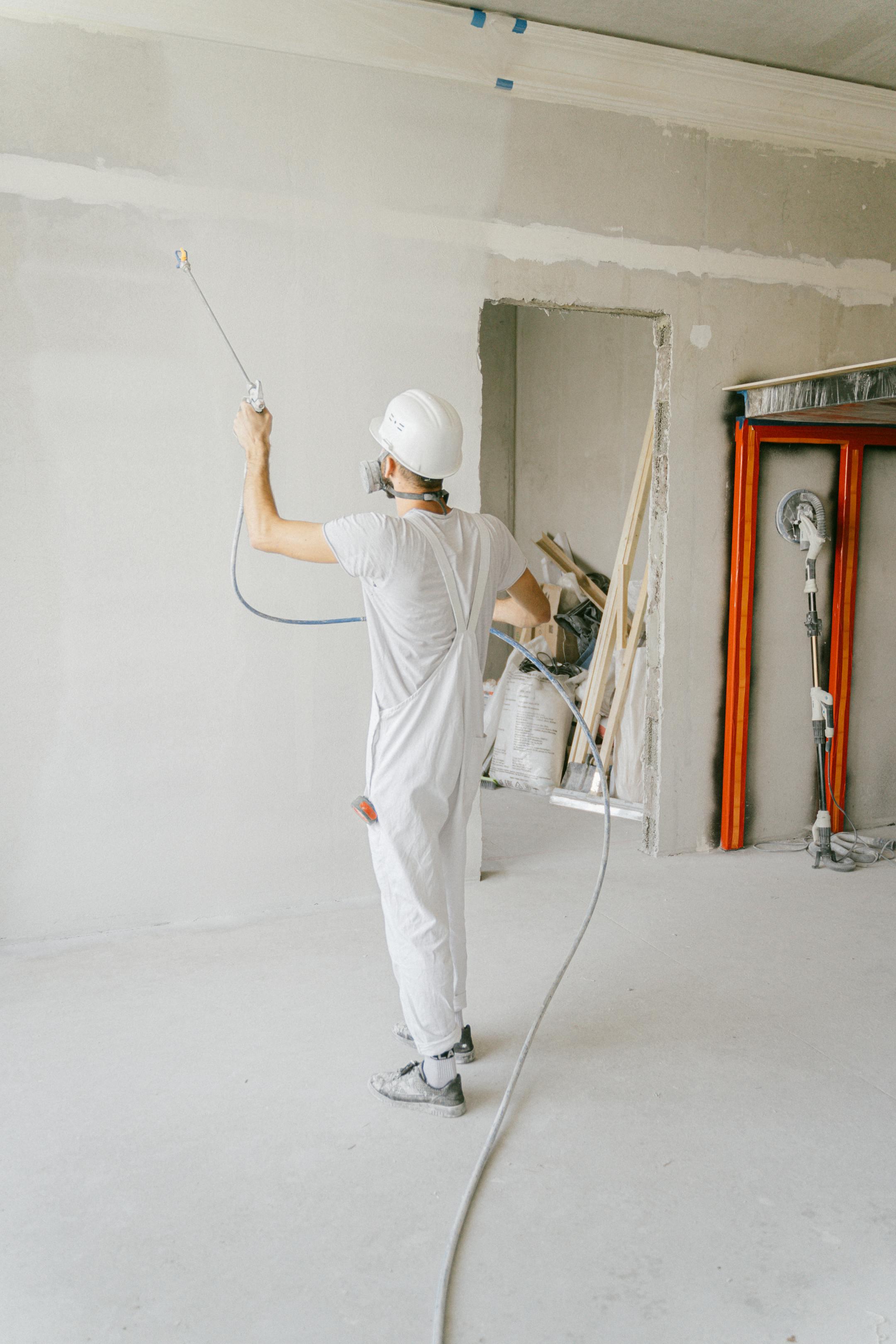
Large painting projects are not just bigger versions of small jobs. Painting an apartment complex, commercial building, community property, school, warehouse, or multi-unit development requires planning, coordination, product knowledge, scheduling, safety awareness, and consistent quality control.
That is where a professional paint contractor plays an important role.
For property managers, developers, facility teams, and community associations, the right contractor helps keep large projects organized from start to finish. They do more than apply paint. They manage the process, protect the property, coordinate crews, and help ensure the finished result is durable, clean, and consistent.
On a small residential project, one painter may be able to complete the job with a limited crew and a basic schedule. Large properties are different. They often include multiple buildings, high-traffic areas, occupied units, shared spaces, stairwells, parking areas, offices, storefronts, or exterior surfaces exposed to weather.
A paint contractor must think through questions like:
These details matter because large painting projects affect more than appearance. They can impact property value, curb appeal, tenant satisfaction, business operations, and long-term maintenance costs.
A successful large-scale painting project starts before the first coat is applied. Contractors typically begin by reviewing the property, identifying surfaces, evaluating existing paint conditions, and determining what preparation is needed.
For apartment complexes and community properties, this may include exterior walls, doors, trim, railings, walkways, clubhouses, common areas, and maintenance buildings. For commercial spaces, it may include offices, retail areas, warehouses, exterior facades, loading zones, or customer-facing interiors.
Good planning helps reduce surprises. It also allows the contractor to estimate labor, materials, timelines, access needs, and project phases more accurately.
Paint performance depends heavily on surface preparation. On large projects, this step is especially important because different areas of the property may have different conditions.
A contractor may need to clean surfaces, pressure wash exteriors, scrape peeling paint, sand rough areas, patch cracks, repair minor surface damage, treat stains, remove mildew, or apply primer before painting.
Skipping preparation can lead to premature peeling, uneven coverage, poor adhesion, and a shorter-lasting finish. A professional paint contractor understands that the final coat is only as strong as the surface beneath it.
Large properties need paint products that are appropriate for the surface, environment, and expected use. In Florida, that often means choosing coatings that can handle heat, humidity, strong UV exposure, rain, and frequent wear.
UCI Paints is a Florida-based paint company that manufactures paints and coatings and is listed by the BBB under paint, seal coating, and epoxy floor coating categories. The company has also been identified locally as a long-standing Fort Lauderdale paint business, with Yellow Pages noting more than 50 years in business.
For large projects, the right paint may vary by area. Exterior stucco, metal railings, concrete floors, doors, trim, interior walls, and high-traffic corridors may all require different products or finishes. Choosing correctly helps improve durability, washability, color retention, and long-term value.
Efficiency is one of the biggest reasons to work with an experienced contractor on a large project. Big jobs often require multiple crew members, phases, and schedules.
A paint contractor helps coordinate:
This coordination helps reduce downtime and keeps the project from dragging on longer than necessary. For occupied properties, efficient scheduling is especially important because residents, tenants, customers, or employees may still need to use the space while painting is underway.
On large projects, consistency is everything. A single building may have hundreds of doors, trim details, walls, railings, or exterior sections. Without strong quality control, the final result can look patchy or uneven.
Professional contractors help manage quality by checking coverage, color consistency, clean lines, surface preparation, touch-ups, and final finish. They also help ensure that the same standards are followed across every phase of the project.
This is especially important for apartment complexes, HOAs, commercial buildings, and community properties where appearance affects the overall impression of the property.
Large painting projects may involve ladders, lifts, scaffolding, high surfaces, parking areas, sidewalks, active business spaces, or occupied residential buildings. A contractor must plan for safe access and clear communication.
This may include marking off work areas, protecting landscaping, covering surfaces, managing equipment placement, and coordinating around residents or staff.
For property managers, this reduces stress. Instead of trying to manage the details alone, they can rely on a contractor who understands how to complete the work with minimal disruption.
Paint is one of the most visible parts of a property, but it also serves a protective role. Exterior coatings help shield surfaces from moisture, sun exposure, and everyday wear. Interior paint helps keep shared spaces clean, polished, and easier to maintain.
For apartment complexes and commercial buildings, regular painting can help:
A well-managed painting project can make a property feel newer, better cared for, and more professional.
Large painting projects depend on good planning, quality products, and experienced coordination. A trusted paint contractor helps bring those pieces together so the project is completed efficiently and with a finish that lasts.
For contractors, property managers, and commercial teams, working with a knowledgeable paint supplier is also important. UCI Paints supports painting professionals with quality paint and coating solutions designed for Florida properties and demanding project environments.
Whether the job involves an apartment community, commercial building, HOA property, or large facility, the right combination of contractor expertise and dependable paint products can help deliver a smoother project and a stronger final result.
