
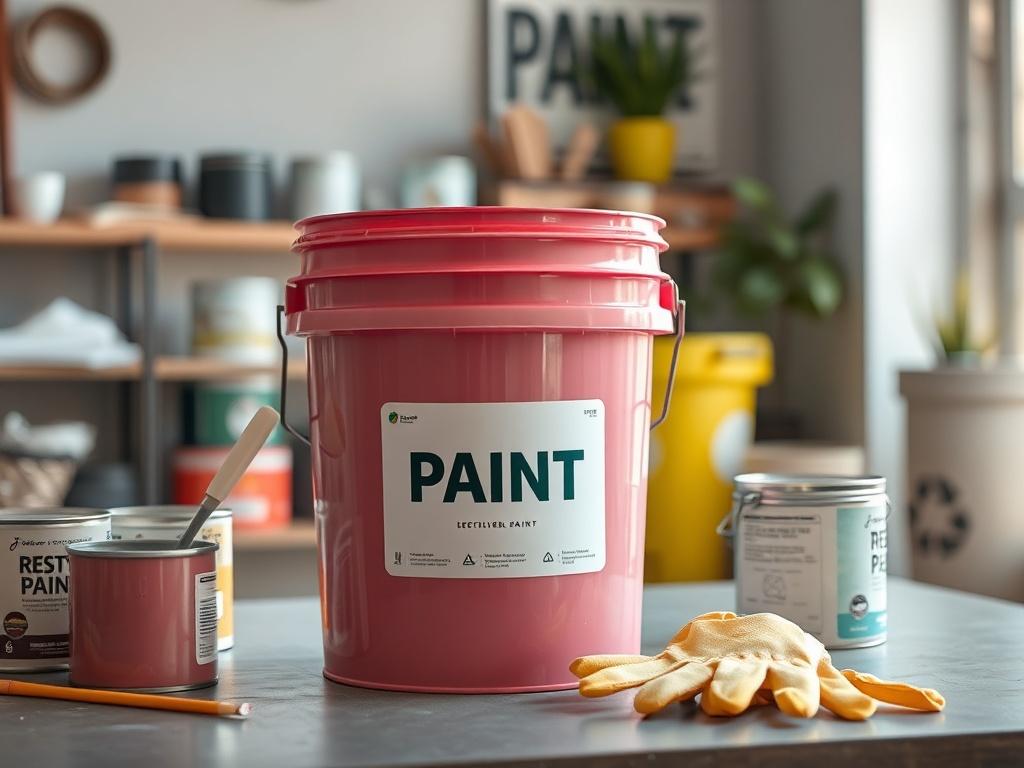
Most painting projects end the same way: a few partially used cans sitting in the garage, basement, or utility closet, taking up space and collecting dust. It's easy to put off dealing with them, but leftover paint is considered household hazardous waste in most states, which means tossing it in the trash or pouring it down the drain isn't just wasteful. It's actually harmful to the environment.
The good news is that recycling paint is easier than most people think, and there are more options available than ever before.
Check What You're Working With First
Before you figure out what to do with leftover paint, it helps to know what kind you have. Latex paint and oil-based paint are handled differently, both in terms of recycling and disposal. Latex paint is water-based and far more commonly accepted at drop-off programs. Oil-based paint requires more careful handling and has fewer recycling options.
Start by checking the label. If you don't have the original can, latex paint will dry into a rubbery film, while oil-based paint dries into a hard, brittle residue. Knowing which type you have upfront will save you time when you're looking into your local options.
Store It Properly If You're Not Ready to Recycle Yet
If you plan to use the leftover paint for touch-ups down the road, proper storage is what keeps it usable. Paint that's stored incorrectly dries out, separates, or develops mold, making it unusable and turning it into a disposal problem instead of a resource.
Tips for Extending Shelf Life
A few simple steps can keep your paint in good condition for years:
- Press a piece of plastic wrap directly onto the surface of the paint before sealing the lid to reduce air exposure
- Store cans upside down so the paint creates its own airtight seal
- Keep paint in a climate-controlled space, away from freezing temperatures and direct heat
- Label each can with the color name, brand, and the room it was used in, so it's easy to find later
Latex paint stored correctly can last up to ten years. Oil-based paint can last even longer when kept sealed and away from temperature extremes.
Drop-Off Programs and Collection Events
The most straightforward way to recycle paint is through a local drop-off program. Many municipalities and counties host household hazardous waste collection events where residents can bring leftover paint, along with other hazardous materials, for safe disposal or recycling. Dates and locations vary, so checking your local government's website is the best starting point.
PaintCare is a nonprofit paint stewardship program that operates drop-off sites at retail locations across participating states. You can search for the nearest site on their website by entering your zip code. Most locations accept both latex and oil-based paint free of charge, with no appointment needed.
What to Expect at a Drop-Off Site
The process is typically quick and hassle-free. You bring your sealed cans, hand them over to staff or volunteers, and you're done. Most programs ask that lids be intact and that paint hasn't fully dried out or solidified. If a can has rusted shut or the paint has hardened, it may not be accepted, so it's worth checking ahead.
Donate Usable Paint
If your leftover paint is still in good condition, donating it is one of the best things you can do with it. Habitat for Humanity ReStores accept paint donations in many locations and resell them at reduced prices to fund their housing programs. Community theaters, schools, nonprofit organizations, and local community groups are also frequent recipients of donated paint.
Donated paint should be well-sealed, clearly labeled, and in good usable condition. Partial cans with less than a quarter of paint remaining are generally harder to donate since they have limited practical use for a recipient.
Drying Out Latex Paint for Trash Disposal
If recycling or donation isn't an option and you have a small amount of latex paint left, drying it out completely is an acceptable disposal method in most areas. Stir in cat litter, a commercial paint hardener, or simply leave the can open in a well-ventilated area until the paint solidifies. Once it's fully dried, many municipalities allow it to be placed in the regular trash with the lid off so collectors can see it's solid.
Never attempt this with oil-based paint. Oil-based paint requires professional hazardous waste disposal regardless of the quantity remaining.
Have Questions About Paint? We're Here to Help
At UCI Paints, our team is passionate about helping customers get the most out of every project, from choosing the right product at the start to handling what's left over at the end. We believe good painting practices include knowing how to manage materials responsibly, and we're always happy to point you in the right direction.
If you have questions about paint types, storage, or anything else related to your next project, get in touch with us today. We're here to help.