
Blistering is one of the most frustrating paint failures a homeowner can deal with. You invest in a fresh coat of paint, and within weeks or months, bubbles start forming beneath the surface, ruining the finish and leaving you wondering what went wrong. The answer almost always comes down to how the job was done in the first place.
Professional paint contractors approach blistering differently than most DIYers because they understand what causes it and how to prevent it before the first drop of paint is applied.
What Causes Paint to Blister
Blistering happens when paint loses adhesion to the surface beneath it, creating pockets of air or moisture trapped under the film. There are two main causes: heat blistering and moisture blistering. Heat blistering occurs when paint is applied in direct sunlight or on a surface that's too hot, causing the outer layer to dry too quickly and trap solvent vapors underneath. Moisture blistering is more common and happens when water vapor pushes up through the substrate and breaks the bond between the paint and the surface.
Both types can appear on interior and exterior surfaces, though moisture-related blistering is particularly common in humid climates and in areas like bathrooms, kitchens, and exterior walls exposed to rain or sprinkler systems.
Why Surface Preparation Is Everything
Professional contractors know that blistering is almost always a preparation problem, not a paint problem. Painting over a dirty, damp, or poorly primed surface sets the job up to fail, regardless of how good the product is. Pros take surface prep seriously because they understand that what happens before the paint goes on determines how long it lasts.
Cleaning and Drying the Surface
Before any paint is applied, a professional will thoroughly clean the surface to remove dirt, grease, mildew, and any chalking from old paint. On exterior surfaces, that often means pressure washing and allowing adequate drying time before proceeding. Rushing this step is one of the most common reasons blistering shows up on DIY paint jobs.
Moisture content in the substrate matters just as much as surface cleanliness. Professionals use moisture meters on wood surfaces to confirm that the material is dry enough to accept paint. Painting over wood with elevated moisture content is a reliable way to end up with blistering problems down the road.
Removing Existing Blistered Paint
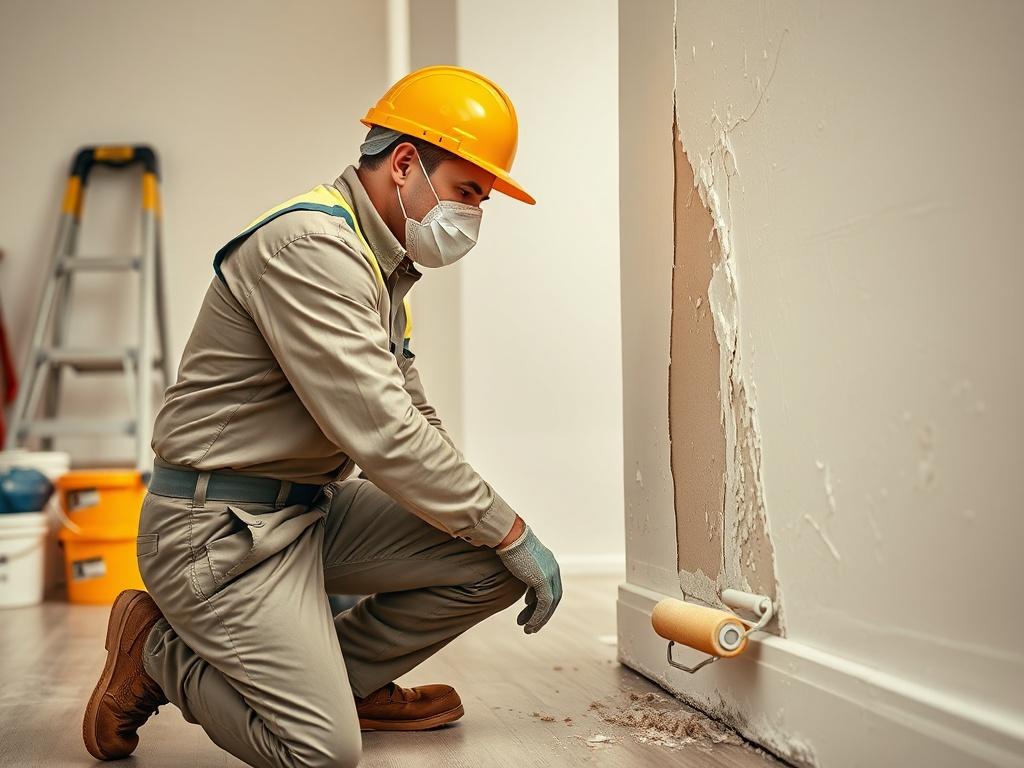
When blistering has already occurred, the affected paint has to come off before anything new goes on. Painting over blisters without addressing the underlying cause produces the same result every time. A professional will scrape, sand, and feather the edges of the damaged area, then investigate what caused the failure before deciding how to proceed.
If moisture is the source of the problem, simply repainting won't fix it. The moisture pathway has to be identified and addressed first, whether that means sealing a joint, improving ventilation, or correcting a drainage issue.
Choosing the Right Products for the Job
Not every paint is suited for every surface or environment. Professional contractors select products based on the specific conditions the finished surface will face, including humidity levels, sun exposure, and the type of substrate being painted. Using an interior paint on an exterior surface, or skipping a primer on a porous substrate, creates conditions where blistering becomes likely.
Primer selection is particularly important. The right primer improves adhesion, seals the surface, and creates a stable base that helps the topcoat bond properly. Professionals know when to use oil-based primers on stained or problematic wood, when a moisture-blocking primer is necessary, and when a direct-to-substrate product is the better call.
Application Methods That Prevent Problems
Even with proper prep and the right products, poor application technique can still lead to blistering. Applying paint too thickly, working in direct sunlight, or painting when temperatures are outside the product's recommended range are all common mistakes that professionals avoid.
Experienced contractors pay attention to conditions on the day of the job:
- They avoid painting exterior surfaces in direct midday sun, especially in warm climates
- They follow manufacturer guidelines for temperature and humidity ranges during application
- They apply paint in consistent, even coats rather than trying to cover in a single heavy pass
- They allow proper dry time between coats to prevent trapped solvents from causing bubbling
These aren't complicated steps, but they require knowledge and discipline that come from experience.
Work with People Who Get It Right the First Time
At UCI Paints, our team works with professional contractors who know how to handle everything from routine prep to complex problem surfaces. We carry the products, primers, and tools that experienced painters rely on to prevent issues like blistering and deliver results that hold up over time.
If you're dealing with a blistering problem or want advice on the right products for your next project, reach out to us today. We're happy to help you find the right solution.